• Location: Woodbridge-IP13 6ET, Lowestoft-NR32 2EX, Felixstowe - IP11 3SH

  • Email: customerservices@eastsuffolkservices.co.uk
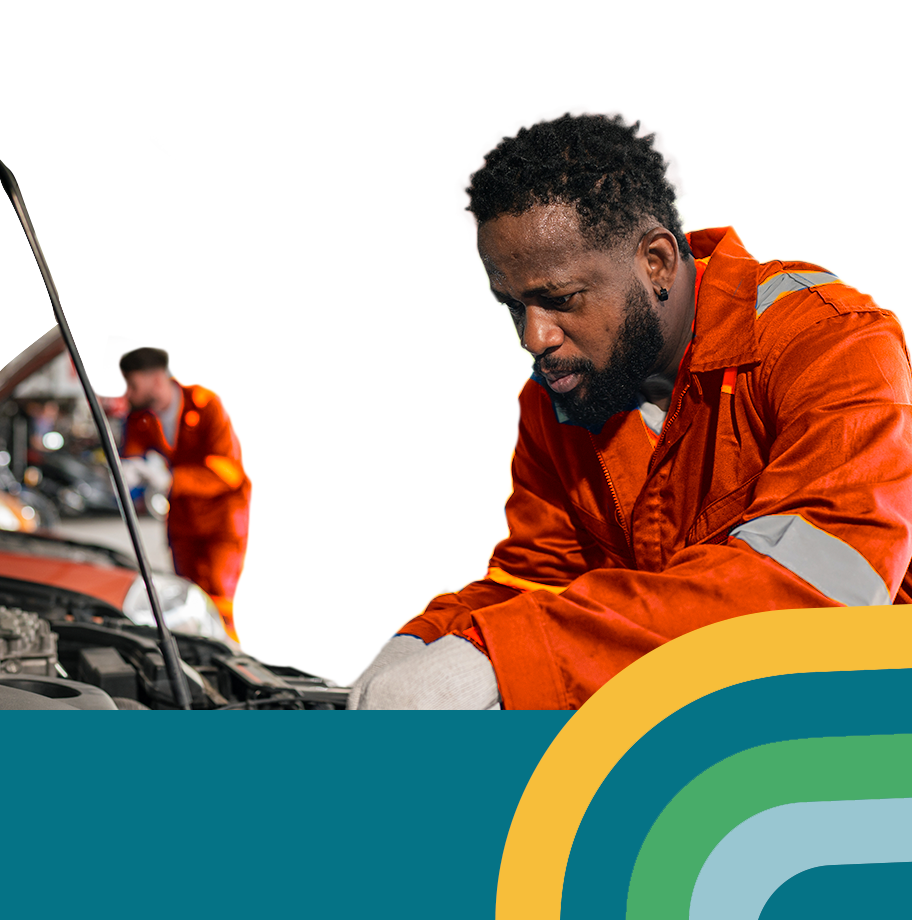
Supporting road safety and compliance through honest & trusted maintenance

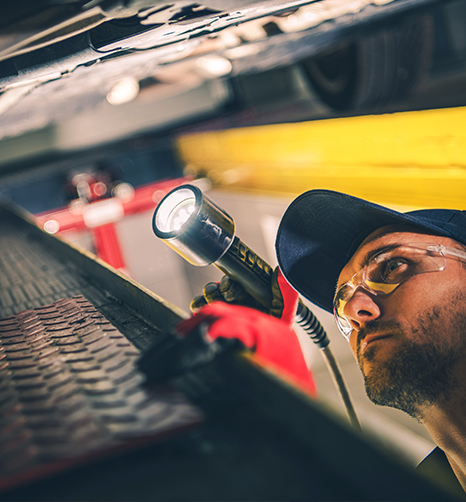
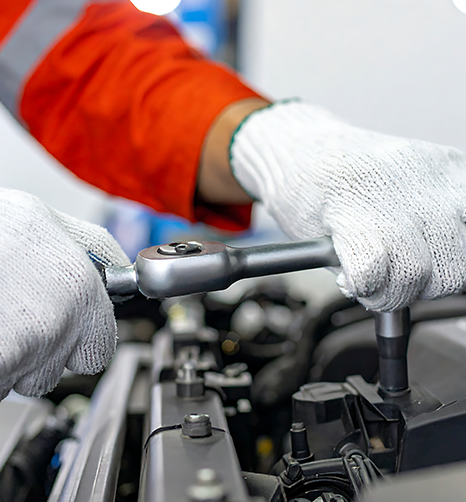
We pride ourselves on keeping vehicles safe, roadworthy and compliant. From our fully equipped workshops in Ufford and Lowestoft, our friendly, experienced team provides thorough, independent MOT tests for everything from motorbikes to vans. Your safety and peace of mind is our priority. 

At our Lowestoft depot, we test:

  • Cars (Class 4)
  • Large vans (up to Class 7)
  • Motorhomes up to 6 metres long.
  • Class 5 MOT

At our Ufford Depot, we test:

  • Cars (Class 4)
  • Smaller vans (Class 4, up to 3 tonnes).

This wide coverage means that whether you drive a motorcycle to work or manage a fleet of delivery vans, we have the right facility for you.

All-Inclusive Fleet Support

For businesses, we offer full fleet management from scheduling multi-vehicle MOTs to providing consolidated reports. Whether you have a couple of vans or dozens of vehicles, we’ll work with you to minimise downtime. Our goal is to make compliance easy. Essentially, you focus on your business; we’ll handle the paperwork and technical checks that keep your fleet moving safely.

We have two MOT centres, in Ufford and in Lowestoft. We know how valuable your time is. In our Lowestoft depot, we have two MOT lanes, cutting waiting times and even allowing same-day testing when slots are available. We offer scheduled appointments to fit around your schedule. You can easily book from here or by phone. Because of our capacity, commercial customers can often get bulk fleet bookings with minimal lead time.

Every test is conducted using modern equipment under the strict rules of the DVSA and follows the same rigorous standards to keep your vehicle road legal. When your MOT is complete, you’ll receive a full certificate or, in the case of failure, a detailed explanation of any faults. We believe in educating our customers, and our testers will explain any issues they find so you know what work is needed. When it comes to MOTs, our reputation is built on years of consistent, reliable service and genuine customer trust.

Our Opening Times

MOTs starting from as little as £20*

MOT prices vary across our centres

What is an MOT test and why is it required?

An MOT (Ministry of Transport) test is an annual safety inspection of a vehicle to ensure it is roadworthy. In the UK, it is a legal requirement for most cars, vans and motorcycles once they are over 3 years old.

Under UK rules, most cars, light vans and motorcycles require their first MOT when they reach 3 years from initial registration (4 years in Northern Ireland). After that, the MOT is due every year on the anniversary of the last test. Heavy goods vehicles (HGVs) and buses also need an annual roadworthiness test: the first of these “HGV MOTs” is due 12 months after the vehicle’s first registration gov.uk. Trailers over a certain weight similarly require an annual MOT.

No. Driving on public roads without a current MOT certificate is illegal. There is no grace period – even a single day overdue can lead to prosecution and hefty fines. The only legal exception is driving the vehicle directly to or from a pre-booked MOT test (or repair shop).

If the MOT inspection finds any “dangerous” or “major” faults, the vehicle automatically fails, and you cannot legally drive it until those issues are fixed. The test centre will list all major failures, and you must repair them before being issued a valid MOT. Minor problems will be noted as “advisories”; these do not prevent you from driving, but you are strongly advised to fix them promptly to avoid more serious issues later..  After repairs, you can have the vehicle retested.

The UK government provides an online MOT history check. By entering the vehicle’s registration and the 11-digit number from its log book (V5C), you can see all past MOT test resultsgov.uk. This shows each test’s date, mileage, location, pass/fail outcome, any failed parts, and the next due dategov.uk. In practice, everyone (including police and insurers) relies on this MOT database to verify whether a vehicle has a valid MOT certificate.

No. An MOT is a legally required inspection focusing on safety and legal compliance. In contrast, a vehicle service (oil change, tune-up, etc.) is a maintenance procedure not required by law, but recommended to keep the vehicle in good running condition. A service may uncover problems before they cause a safety issue or an MOT failure, but it does not substitute for the MOT.

Fleet management refers to the oversight of all vehicles used by an organisation (e.g. delivery vans, trucks, buses) to keep operations running smoothly. In practice, fleet management ensures vehicles are serviced on time, drivers follow regulations, and resources (fuel, vehicles) are used efficiently. Good fleet management helps businesses reduce fuel and maintenance costs, improve safety, and avoid downtime.

Routine preventive maintenance is essential for keeping fleet vehicles reliable and avoiding costly breakdowns. By regularly changing oil/filters, inspecting brakes, rotating tyres, etc., you maximise vehicle uptime and catch wear before it leads to failure. Proper maintenance also ensures compliance, and proactive fleet servicing minimises emergency repairs, extends vehicle life, and keeps the business running efficiently.

Fleet service pricing varies by the type of vehicle and the scope of work. Providers often offer flexible billing options: you might pay per repair/service or enter a maintenance contract. We will offer a clear quote that covers parts, labour, and any consumables needed for each service.

You should follow the manufacturer’s recommended service intervals as a baseline. Additionally, we often use vehicle inspection logs or telematics data to track mileage and performance.

Yes. In the UK, goods vehicles over 3,500 kg (HGVs) and any bus/coach with more than 8 passenger seats must undergo an annual MOT (known as an “annual test” for HGVs). The first MOT for an HGV or bus is due 12 months after its first registration, and then every year thereafter gov.uk. Trailers meeting certain size criteria also need annual testing. These rules ensure that heavier and passenger-carrying vehicles are roadworthy. (Lighter vans under 3.5t still need a standard MOT once they are over 3 years old, like a car.)