• Location: Woodbridge-IP13 6ET, Lowestoft-NR32 2EX, Felixstowe - IP11 3SH

  • Email: customerservices@eastsuffolkservices.co.uk

You deserve a partner who understands your business and offers more than just waste management

At East Suffolk Services, we know your time is better spent growing your business, not managing waste. With the same trusted expertise that keeps East Suffolk clean and sustainable for over 250,000 residents, we now offer commercial waste management solutions for businesses.

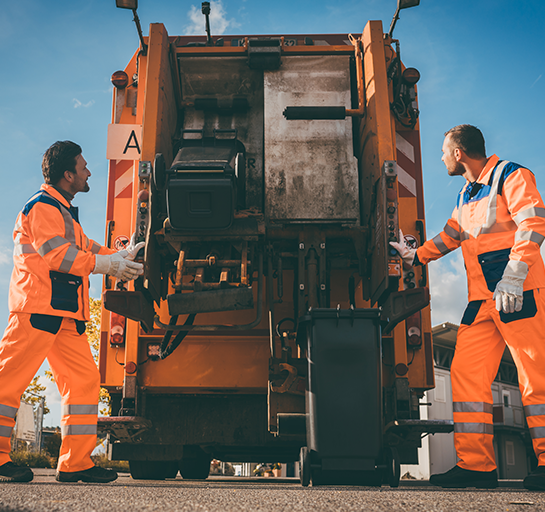
Every bin has a story. Whether you’re a busy café by the quay, a growing retailer on the high street, run a small independent shop, a busy restaurant, or a large industrial site, our team will tailor a waste collection plan that fits your needs. Your waste service provider should feel like a quiet partner, efficient, reliable, and rooted in our shared Suffolk values.


At East Suffolk Services, we’re not just in the business of collecting waste; we’re here to help keep our community clean and thriving. Community is at the heart of everything we do, and we take pride in supporting local businesses with responsible waste management.

We offer a comprehensive range of commercial waste services to suit businesses of all types and sizes. With flexible scheduling and clear, upfront pricing (no hidden extras ever), you can focus on running your business while we handle the waste logistics. From everyday trash to recyclables and more specialised waste streams, we’ve got you covered, always disposing of everything safely, ethically, and in full compliance with UK environmental regulations.

Not everything can be recycled, and that’s where our general waste service comes in. We provide sturdy, secure bins for all your non-recyclable rubbish. We handle your general waste responsibly from start to finish. East Suffolk Services is committed to a zero-to-landfill approach whenever possible; instead of dumping waste, we divert it to energy-from-waste facilities or other sustainable disposal methods. This means even your “black bag” rubbish can help generate electricity rather than simply taking up space in a landfill.

We are legally mandated to ensure the duty-of-care requirements for general waste disposal, giving you full peace of mind that your business remains compliant. When you use our general waste collection, you’re not only ticking the boxes for regulations, you’re also doing your part to keep East Suffolk clean and green.

As of 31st March 2025, all workplaces (businesses, schools, hospitals, etc.) with 10 or more full-time equivalents (FTE) in England are required to separate food waste from other waste streams as per the government’s Simpler Recycling Legislation.

ONLY these items are allowed into your food waste bin.

  • Meat, fish, and small bones (larger bones, such as those from Butchers, are not acceptable.
  • Plate scrapings
  • Tea bags and coffee grounds
  • Bread, cakes, and bakery products
  • Small quantities of oil and grease
  • Dairy products
  • Fruit and vegetables
  • Liners to wrap food waste, comprised of plastic, paper, or cornstarch liners (no black bags, as these cannot be seen inside)

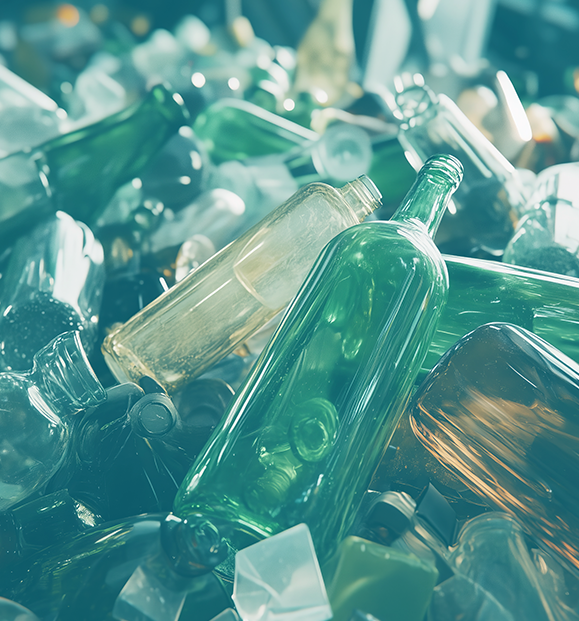
Glass is one of the most recyclable materials available, and new UK regulations have made separating and recycling glass a legal requirement for many businesses. As of 31st March 2025, if your business has 10 or more full-time employees, you are legally required to separate glass waste from other waste streams. This means glass bottles and jars can no longer be thrown out in your regular refuse bin – they must be sorted out for recycling. This law will soon extend to all businesses, including micro-firms, by 31 March 2027.

Failure to separate waste correctly can lead to enforcement actions. Authorities have indicated that businesses not following the new recycling laws could face hefty fines and penalties. We offer glass recycling bins and collections as part of our commercial waste service, and as your partner, we’ll handle the complexities of waste collection and legal compliance, so you can focus on running your business, and you will meet the 2025 recycling requirements.

Recycling is more than a regulatory box to tick. It’s an investment in your community and your business’s reputation. 

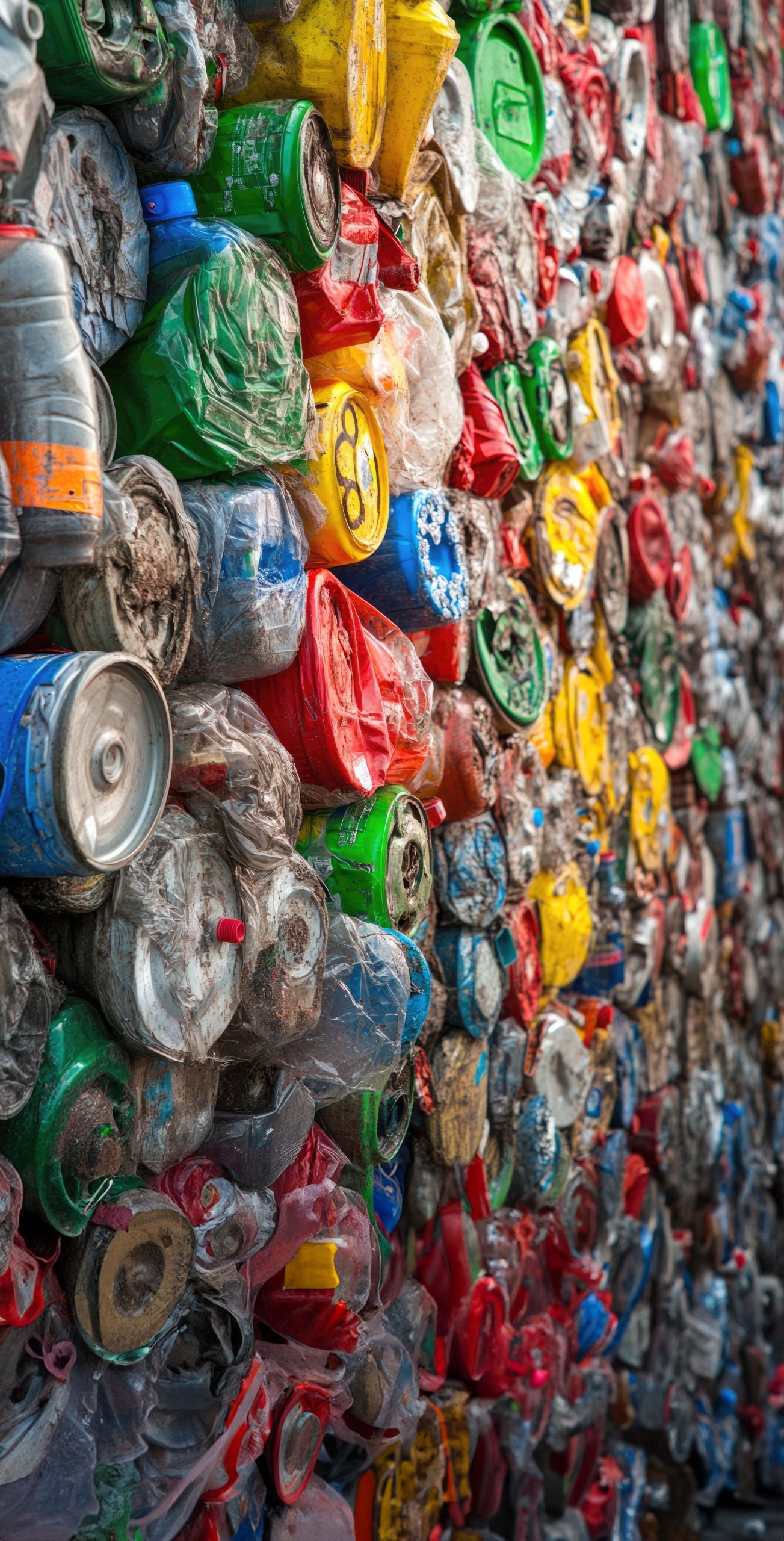
What goes into the mixed bin?

Metal: Drink cans, food tins, empty aerosols, clean aluminium foil and foil trays, and even metal tubes (like tomato purée tubes) are all accepted.

Plastic: Most rigid plastic packaging can be recycled. This includes plastic bottles (e.g. water, soda, milk bottles), pots and tubs (yoghurt, margarine containers), and food trays or punnets.

Paper: Newspapers, magazines, letters, printer paper, envelopes without plastic windows, and similar paper items are perfect for recycling. Junk mail, flyers, and paper packaging can also be included.

Cardboard: Cardboard boxes, cardboard packaging, and carton sleeves can all be recycled. Flatten boxes to save space and remove any excess tape. From delivery boxes to cereal boxes, as long as it’s clean cardboard.

Keep it clean, dry and loose to ensure all these materials can be efficiently recycled.

Use this link for more details on what you cannot put in your recycling bin.  

From 2026, East Suffolk Council will introduce a new and improved recycling and waste collection system to make it easier for residents to recycle more and waste less. For more information about Better Recycling.


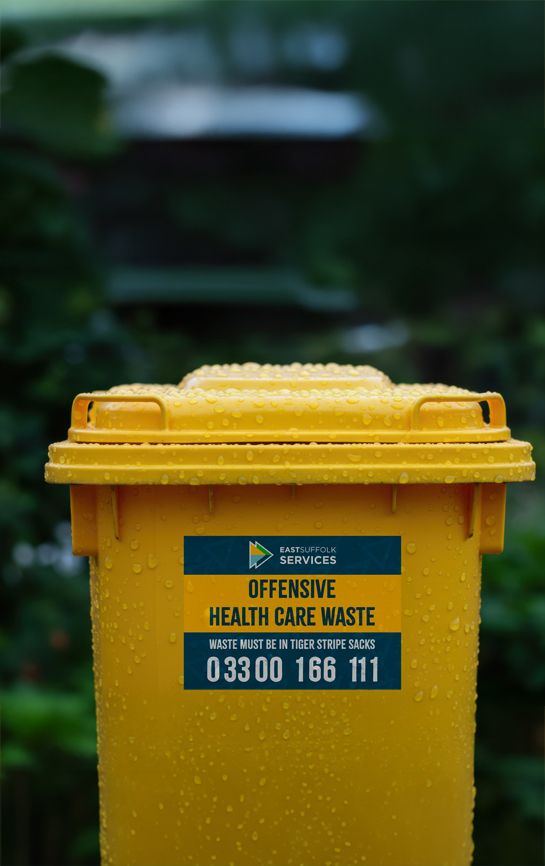
Offensive healthcare waste:

  • Is not clinical waste
  • Is not infectious – but may still contain body fluids, secretions or excretions
  • Is non-hazardous
  • The materials in this category are given the name “offensive” waste as they will commonly be unpleasant in odour and appearance. This isn’t a steadfast rule, as used PPE and gloves will still come under the offensive waste stream even if bodily fluids aren’t present.

    For example, sharps are never considered offensive waste and should not be placed in a tiger-striped bag or any waste bag as a given. They should instead be placed in an appropriate sharps bin.

    The differentiation between clinical and offensive waste is subtle, but customers should follow the rule that if there is no good reason to believe an item is hazardous, it should be considered offensive waste. A hazardous property may include an item being infectious, chemically/ pharmaceutically/ cytotoxically contaminated or radioactive.

    We do collect sharps, too, from pharmacies and medical practices, like beauty salons.

    Handling offensive healthcare waste correctly safeguards a business’s reputation and avoids the hefty fines or legal penalties that can result from mismanagement.

    Frequently Asked Questions(FAQs)

    What if I have an enquiry about domestic waste?

    If you have any enquiries about missed bin collections, replacement of wheeled bins, bin collection date finder or any other general enquiries regarding your domestic bin, please use this link.

    Click here for more information on Better Recycling based on the Government’s “Simpler Recycling” legislation.

    Introduced in 2023 by the Department for Environment, Food & Rural Affairs (Defra), Simpler Recycling aims to simplify waste collection by eliminating confusion over what can and can’t be recycled.

    The initiative is designed to ensure more consistent and streamlined waste collections across all households, businesses, and relevant non-domestic premises, including schools and hospitals.

    By 31st March 2025, all businesses and relevant non-domestic premises with 10 or more full-time employees will be required to separate dry mixed recycling i.e. plastic, paper and card, metals (such as cans, tins, and foil), glass and food waste from general waste.  This initiative will help conserve valuable resources, reduce waste sent to landfill, and support the circular economy in the UK.

    The requirements apply to all businesses and non-household premises, such as schools and hospitals, with 10 or more full-time employees.

    For more guidance, Click Here.

    The revised Waste Framework Directive introduces a changed hierarchy of options for managing wastes. It gives top priority to preventing waste in the first place. When waste is created, it gives priority to preparing it for re-use, then recycling, then other recovery such as energy recovery, and last of all disposal (for example landfill).

    The Waste (England and Wales) Regulations 2011 apply the requirements for the waste hierarchy. For guidance in England on applying the hierarchy, help can be found on the GOV.UK website.

    This guidance is produced under Regulation 15(1) of the Waste (England and Wales) Regulations 2011 and any person subject to the Regulation 12 duty (see next question) must have regard to it.

    Regulation 12 of the Waste (England and Wales) Regulations 2011 says that businesses who import or produce, collect, transport, recover or dispose of waste, or who operate as dealers and brokers, must take all reasonable measures to apply the waste hierarchy when the waste is transferred.

    Also, if you hold or require an environmental permit for an operation that generates waste, you will have to comply with a permit condition concerning the application of the waste hierarchy.

    The Regulation 12 hierarchy duty came into force on 28 September 2011, six months after commencement of the regulations.

    The hierarchy permit condition will be applied to permits issued after 29 March 2011. Operators of existing sites will have the condition added to their permit when they are next reviewed as part of our periodic review process under regulation 34 of the Environmental Permitting Regulations.

    Advice on this is provided within Government guidance and various best practice guides for industry sectors. It is best practice for you to consider the most appropriate management option for any waste you produce and to record in some way any advice you have received and decisions you have made on your waste.

    If you hold an environmental permit which has the new hierarchy condition, you should be able to demonstrate that you have taken the hierarchy guidance into consideration when deciding how to minimise and manage the waste you produce. We will not require detailed written justification of your decisions but these decisions must be reasonable.

    Since 28 September 2011 transfer notes and, for hazardous waste, consignment notes contain a declaration that the waste hierarchy has been considered in deciding the most appropriate waste management option for that waste.

    In addition to Government guidance and best practice guidance, contact our customer services, and we will be happy to help.